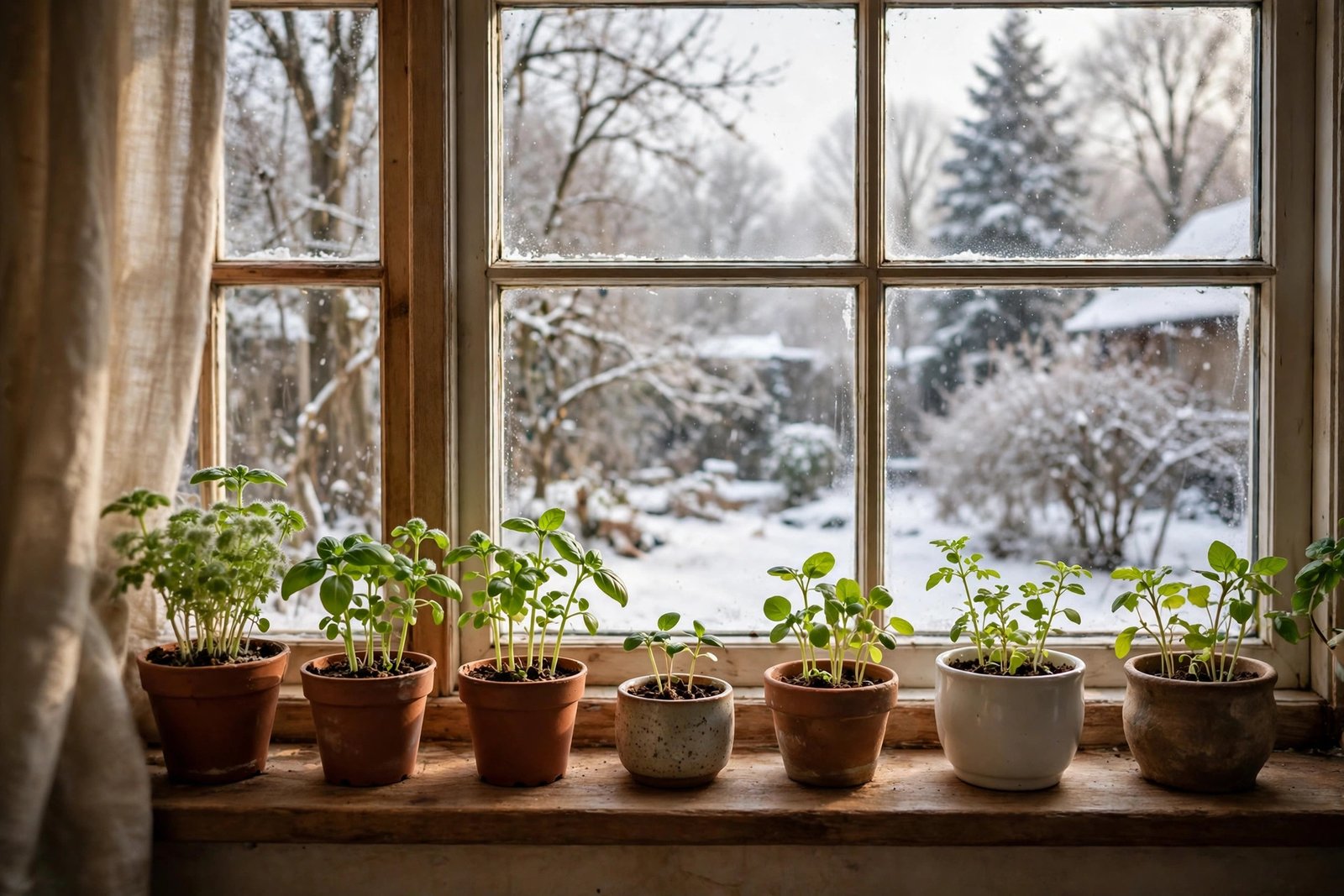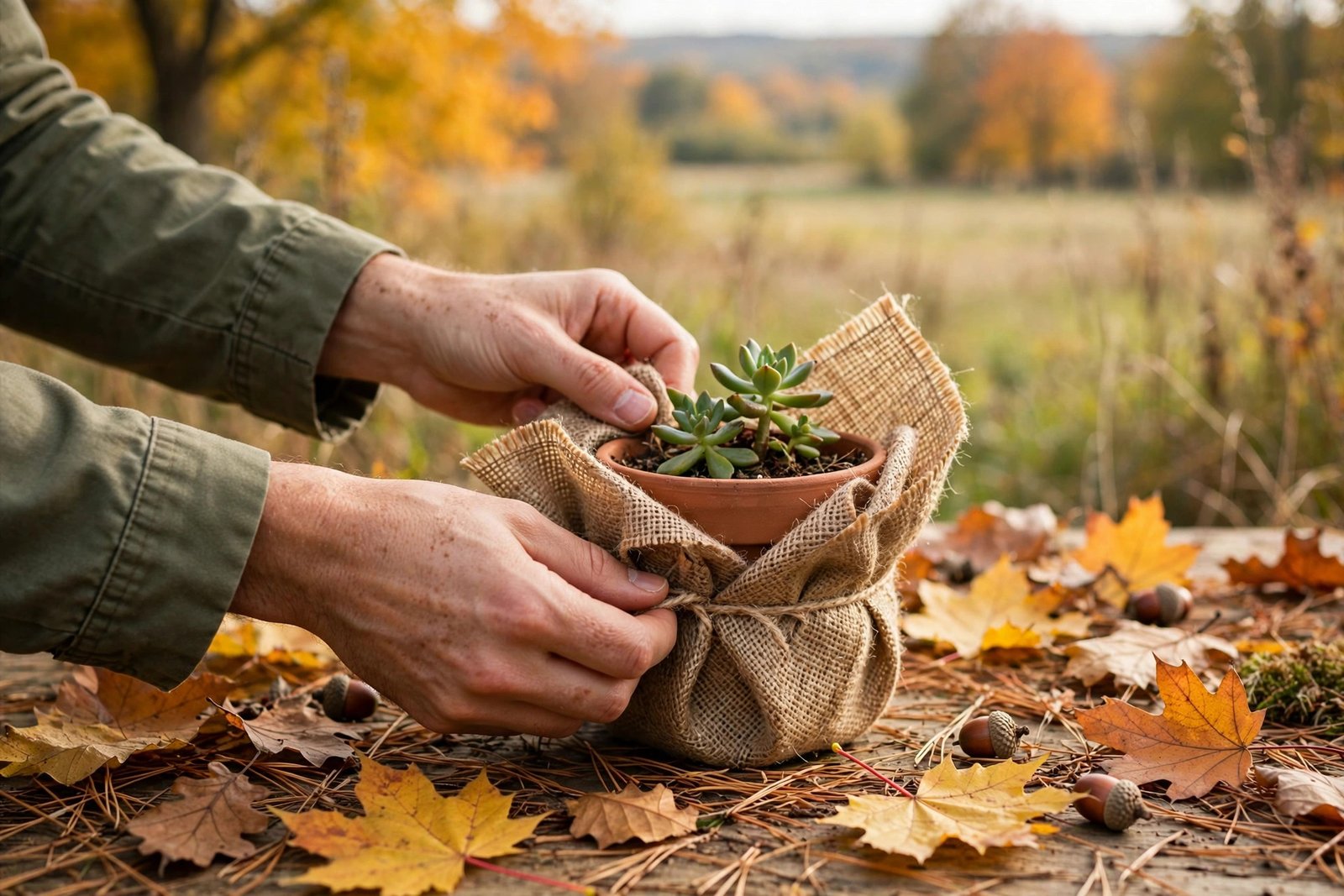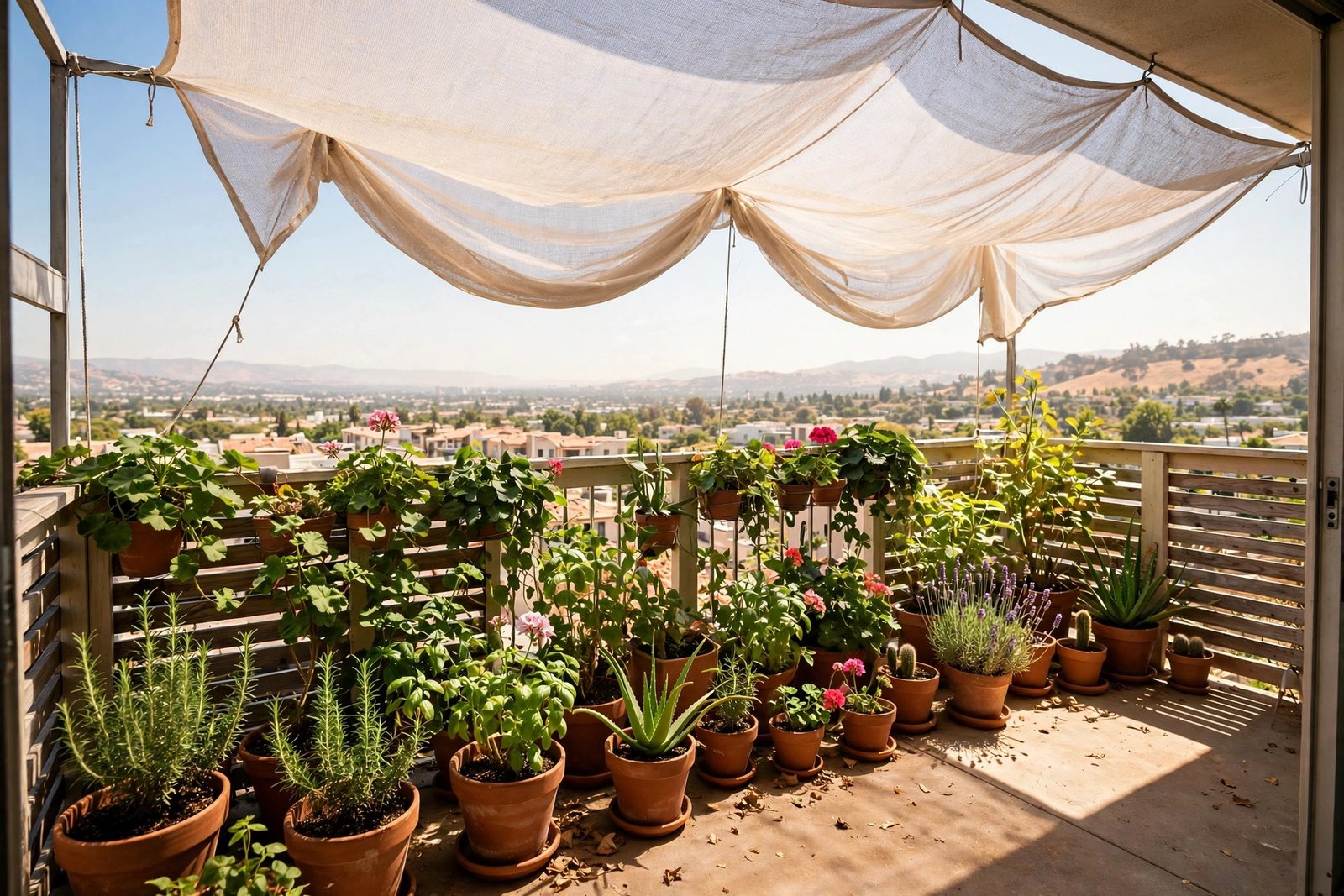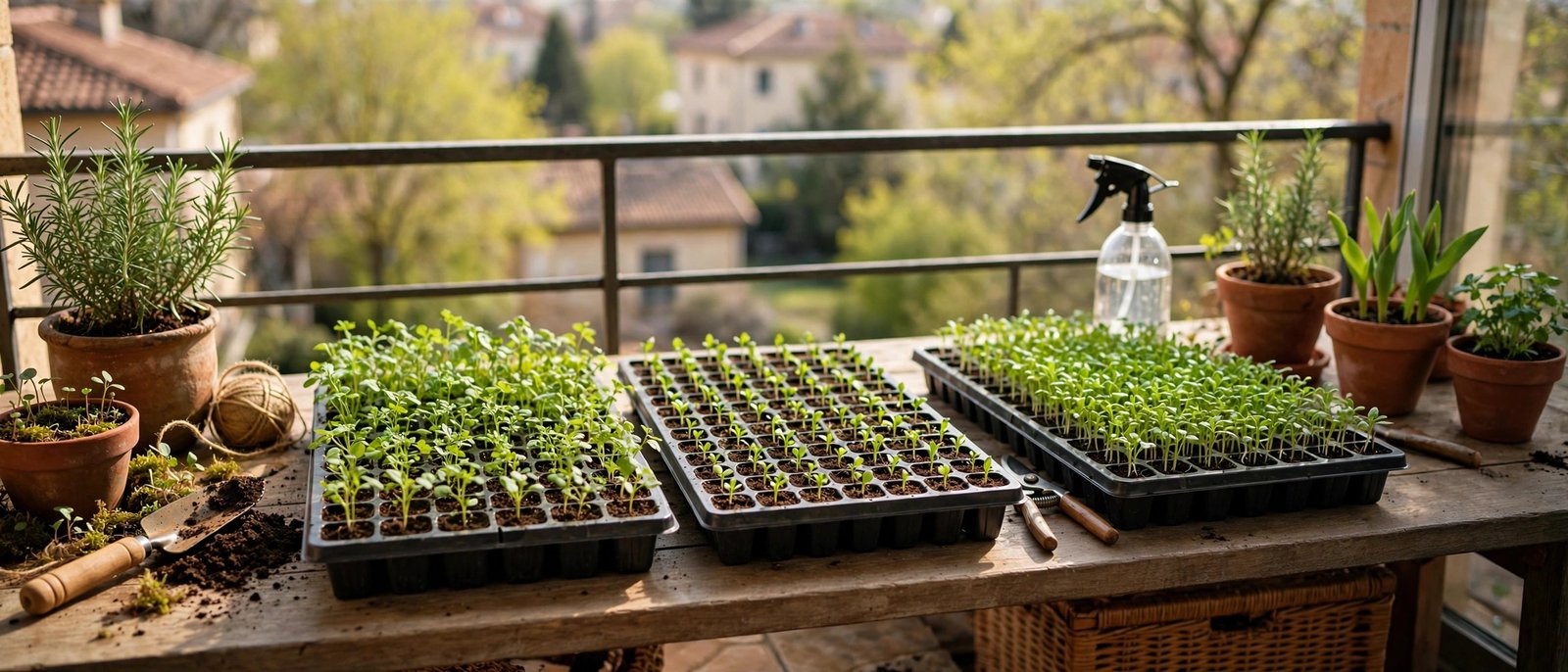
Here’s a controversial opinion: most spring gardening failures aren’t about skill, they’re about timing. Plant your tomatoes out three weeks too early and a single cold night undoes two months of careful indoor growing. Sow your salad greens three weeks too late and they bolt in the first warm spell. Spring rewards the gardener who does the right thing at the right moment — and punishes the impatient one. Many gardeners are the impatient one for their first two seasons, planting everything the moment they see a sunny day in April and then carrying pots indoors at midnight when frost threatens.
This spring balcony garden checklist is the timing system every beginner wishes someone had handed them. It’s built for containers on balconies and small patios, in temperate climates (USDA zones 6–8, which covers most of the UK and much of northern Europe and the northern US). Adjust by a couple of weeks for your local last frost date — that’s the anchor everything else hangs on.
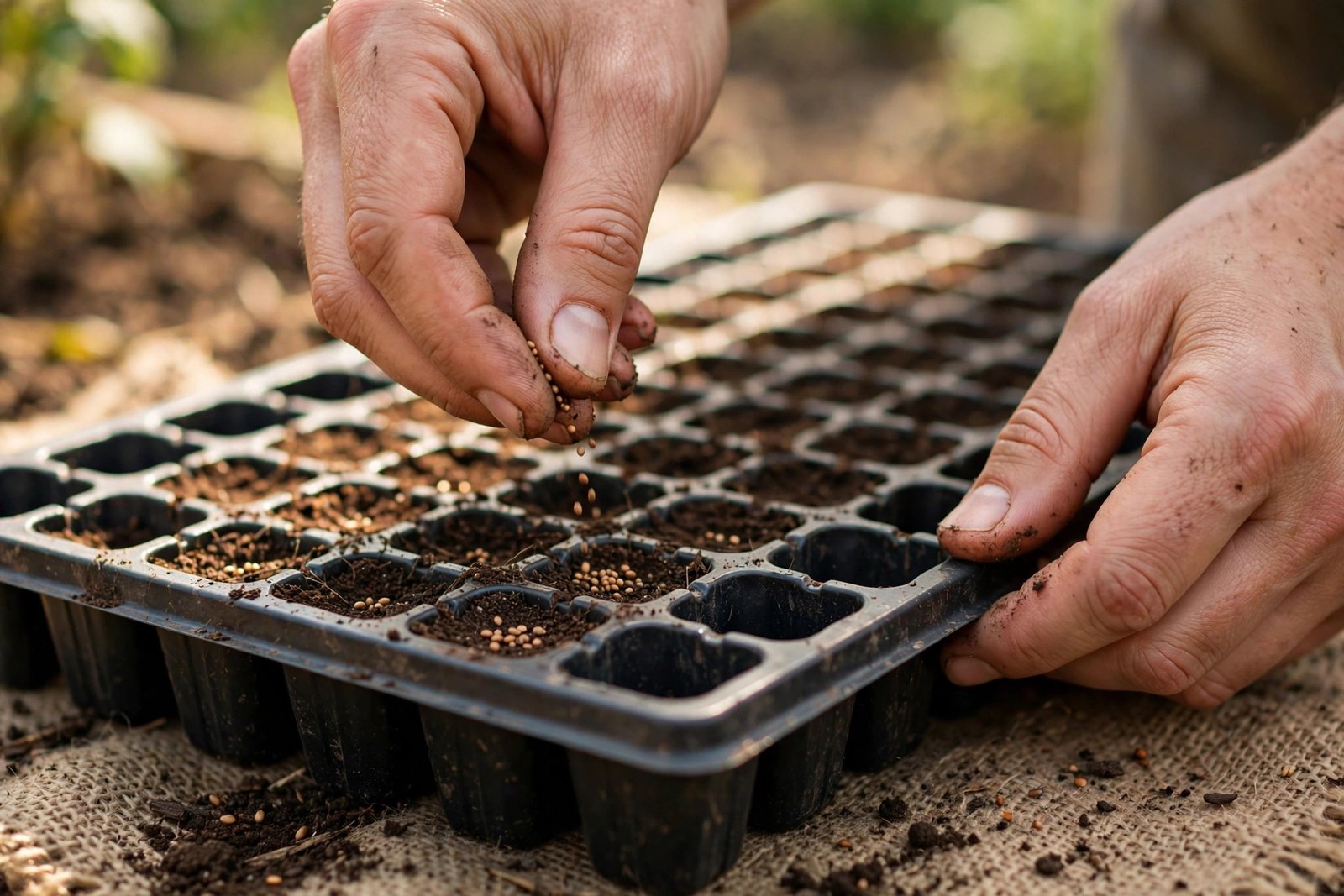
First: find your last frost date
Everything in spring gardening works backwards from your average last frost date. Around mid-April for many temperate areas, so all the dates below assume that. Look yours up (your national weather service or any seed packet calculator will tell you), then shift the timeline earlier or later to match. A balcony is often a degree or two warmer than the forecast thanks to the building’s radiated heat, but don’t count on it — cold air sinks, and an exposed high-rise balcony can actually be colder and windier than ground level.
Write the date down. Seriously. A sticky note inside the seed box works well, because every year gardeners convince themselves spring is “early this time” and every year the calendar proves them wrong.
Quick Tips:
- Your last frost date is the anchor — count backwards from it for seed starting, forwards for planting out
- Soil in pots warms up faster than garden beds, but it also freezes faster, so don’t trust air temperature alone
- Keep frost fleece or old bedsheets handy through May; one cold night can undo weeks of growth
- Label everything you sow — in three weeks, all seedlings look identical and you will not remember
Early spring (6–8 weeks before last frost): the setup phase
This is the unglamorous work that makes everything else easy. Skipping it and starting seeds in last year’s crusty pots shows in the germination rates.
Clean your pots. Scrub last year’s containers with hot water and a stiff brush. If anything had disease, soak pots in a 1:9 bleach-water solution for ten minutes, then rinse well. A whole round of basil seedlings can be lost to damping-off in a single season from reused dirty pots — a ten-minute scrub prevents it. Check the notes on choosing the right pots and containers if you’re replacing anything.
Refresh your soil. Potting mix breaks down over a season — it compacts, the nutrients wash out, and the structure collapses. Dump last year’s mix into a big tub, pick out old roots, and refresh it with about 30% new compost and a handful of perlite per gallon to restore drainage. Mix that’s gone grey, dusty, and lifeless gets retired to a garden bed. The DIY potting soil recipe has the exact ratios for the refresh.
Check your gear. Inspect saucers for cracks, test that self-watering reservoirs aren’t clogged, replace perished twine and broken canes. Sharpen or at least clean your scissors and secateurs. It’s deeply annoying to discover your watering can leaks the morning your seedlings need water.
Start the long-season seeds indoors. Peppers, chillies, and aubergines need 8–10 weeks indoors before last frost — they’re the slowest starters and the most cold-sensitive. Sow them in small modules on your brightest windowsill or under lights. Tomatoes follow at 6–8 weeks before last frost. ‘Tiny Tim’ and ‘Tumbling Tom’ suit containers; both stay compact enough for 10–12 inch / 25–30 cm pots.
Mid-spring (3–4 weeks before last frost): sow the hardy crops
This is when the garden starts feeling real. Hardy crops laugh at light frost, so they go out (or get sown) while you’re still wearing a jacket.
Direct-sow outdoors now: salad greens, spinach, rocket, radishes, spring onions, and peas. Salad is the star here — a cut-and-come-again approach means one sowing of ‘Saladin’ or ‘Lollo Rosso’ lettuce feeds you for weeks. Sow a short row every two weeks for continuous harvests rather than one big sowing that all matures at once (the classic feast-then-famine mistake of a first spring).
Sow herbs: parsley and chives can be sown now; they’re tough. Basil waits — it sulks below 50°F / 10°C and there’s no point rushing it. Coriander can be sown now in a cool spot; it actually prefers cool weather and bolts the moment summer arrives.
Harden off indoor seedlings. This is the step everyone skips and regrets. Seedlings raised indoors have soft, pampered leaves. Put them outside for 2 hours on day one, 4 on day two, building up to a full day over 7–10 days, bringing them in at night. Seedlings planted straight out without hardening often stall for weeks with sun-scorched, wind-battered leaves. Do it on the balcony table where the seedlings are visible from the kitchen — out of sight means forgotten overnight, and lost seedlings are the usual result.
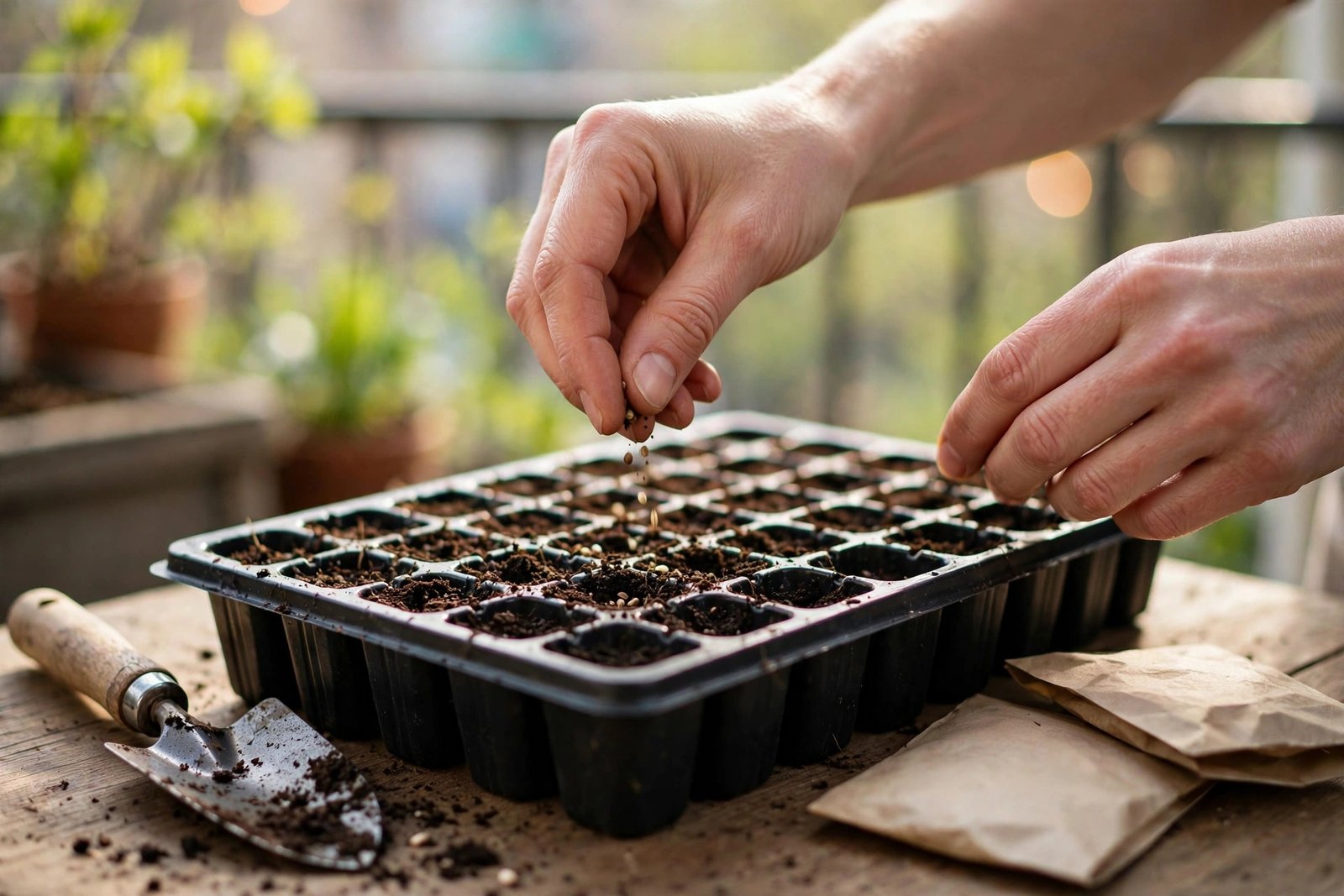
After last frost: planting-out time
When nights are reliably above 50°F / 10°C, the tender crops go out for good.
Transplant tomatoes, peppers, cucumbers, and basil into their final containers — minimum 12 inches / 30 cm for determinate tomatoes, bigger if you can manage it. Water them in well and mulch the surface with an inch of compost or straw to hold moisture. Planting tomatoes into 8-inch pots in a first year and wondering why they’re stunted by July is a common story; container size is the single biggest factor in tomato success, as the how to grow tomatoes in containers guide explains.
Sow beans and courgettes. Dwarf French beans like ‘Purple Teepee’ are brilliant in pots — sow direct into 10-inch / 25 cm containers, three seeds per pot. Courgettes need a big pot (at least 15 inches / 38 cm) but one plant feeds a household; ‘Defender’ is compact and reliable.
Set up supports now, not later. Pea netting, tomato cages, cane wigwams — install them while plants are small. Trying to wrestle a cage over a three-foot tomato in June is a wrestling match you will lose, usually while swearing.
Start your feeding routine. Fresh potting mix carries plants for about a month; after that, containers need regular feeding. The natural fertilizers guide has the full routine, but the short version: worm castings monthly, liquid feed every two weeks for heavy feeders once flowers appear.
Spring Balcony Garden Mistakes I Keep Seeing (I Made All of These)
- Planting out during a warm spell in April. One warm week is not spring. Wait for the frost date, not the weather app’s 7-day forecast. Frost fleece buys you about 4°F / 2°C of protection — useful insurance, not a force field.
- Sowing everything on the same day. Succession sowing — a little every two weeks — gives you continuous harvests instead of a glut followed by nothing. This applies to salad, radishes, beans, and coriander especially.
- Forgetting to water new transplants. Spring wind dries small pots shockingly fast. Check new plantings daily for the first two weeks; a 6-inch / 15 cm pot in spring breeze can go from moist to bone-dry in a day.
- Starting seeds too early without enough light. A tomato sown in February on a dim windowsill becomes a pale, stretched mess (see why plants get leggy) that a March sowing overtakes within weeks. Later with good light beats earlier without it, every time.
Your Questions, Answered
When should I start seeds indoors?
Count backwards from your last frost date: peppers and chillies 8–10 weeks before, tomatoes 6–8 weeks, cucumbers and courgettes 3–4 weeks (they grow fast and hate being held indoors). Hardy herbs and flowers can be sown 6–8 weeks before. If you only remember one rule: most beginners start too early, not too late.
Can I reuse last year’s potting soil?
Yes, with refreshing. Remove old roots, mix in 30% fresh compost and a little perlite, and it’s good for another season. Don’t reuse soil from pots where plants had disease, and rotate what you grow in each pot (don’t grow tomatoes in the same mix two years running). After two to three seasons, retire it to garden beds or a compost heap.
What if a late frost is forecast after I’ve planted out?
Cover tender plants with frost fleece, old bedsheets, or even upturned buckets overnight — anything that traps a little warmth. Move small pots against the building wall, which radiates heat. Water the soil in the evening too; moist soil holds warmth better than dry soil. Then uncover in the morning so plants don’t cook if the sun comes out strong.
How do I know when seedlings are ready to transplant?
They should have at least two sets of true leaves (the second pair that looks like the actual plant, not the first round seed leaves), sturdy stems, and roots that hold the soil together but aren’t circling the pot yet. For tomatoes specifically, transplant when they’re 6–8 inches / 15–20 cm tall and bury them deep — they root along the buried stem.
Should I buy seedlings or start from seed?
Both, honestly. Start easy, fast things from seed (salad, radishes, beans, herbs) — it’s cheaper and deeply satisfying. Buy seedlings for the long-season, fiddly crops (peppers, chillies, aubergines) unless you have grow lights; a £2 nursery pepper plant in May will outperform your leggy windowsill seedling all summer. There’s no prize for doing everything from seed.
A spring balcony garden is many gardeners’ favourite project of the year — everything is potential and nothing has gone wrong yet. Follow the timing, do the boring setup work, harden off your seedlings like you mean it, and you’ll walk into summer with a garden that’s already producing. And if the tomatoes go out early because the sun is shining and restraint fails? Keep the frost fleece by the door. We’ve all been there.