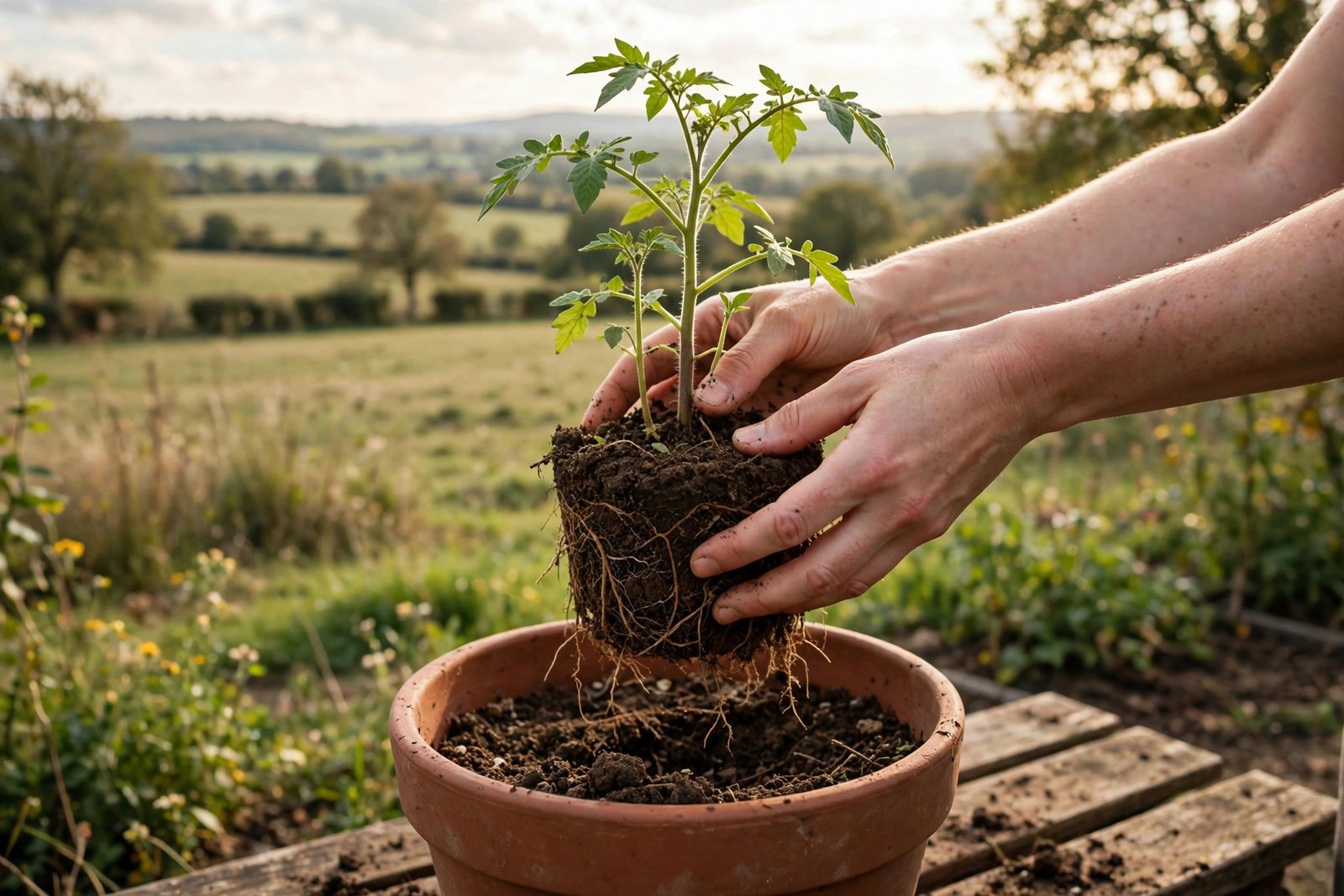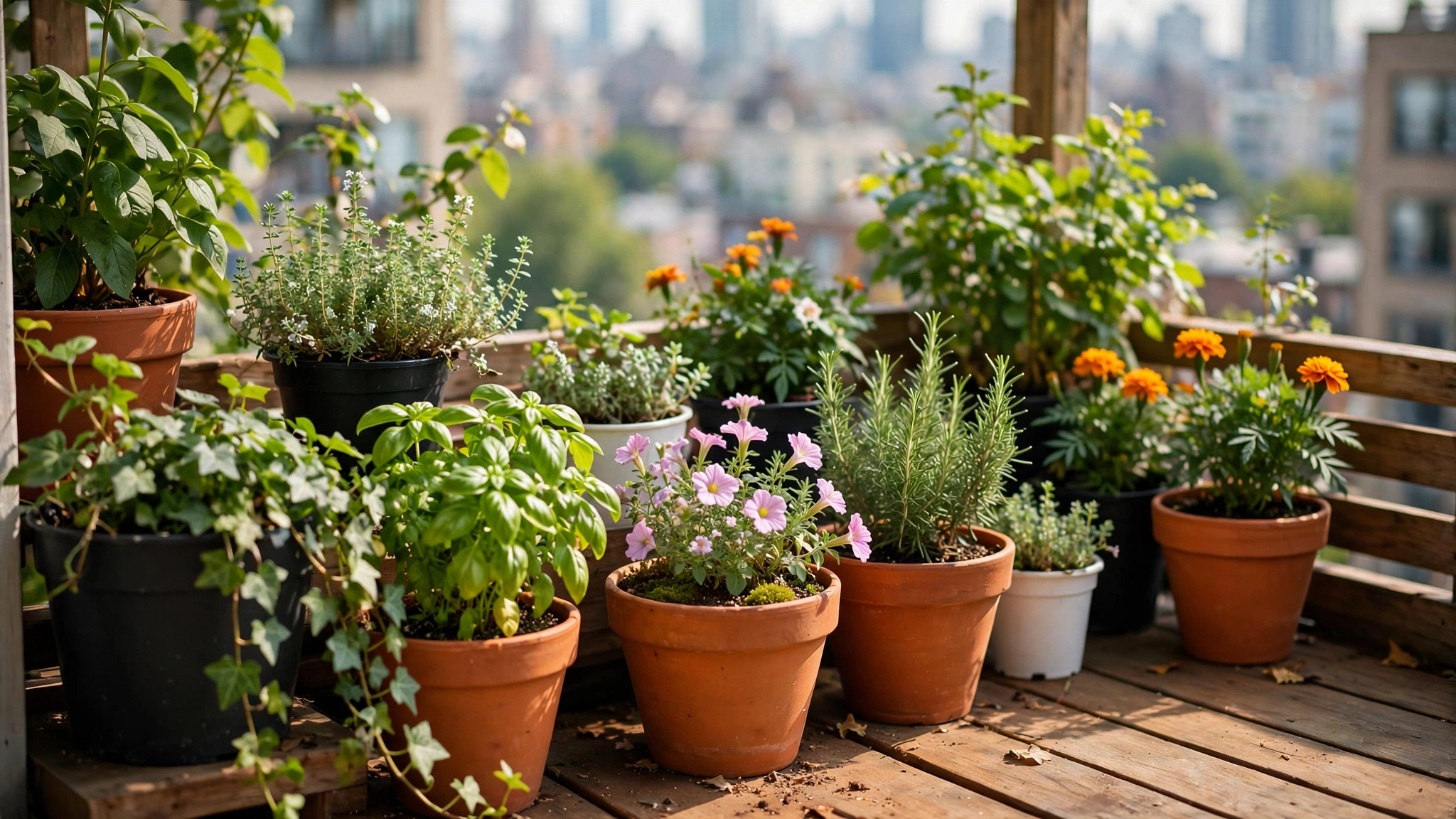
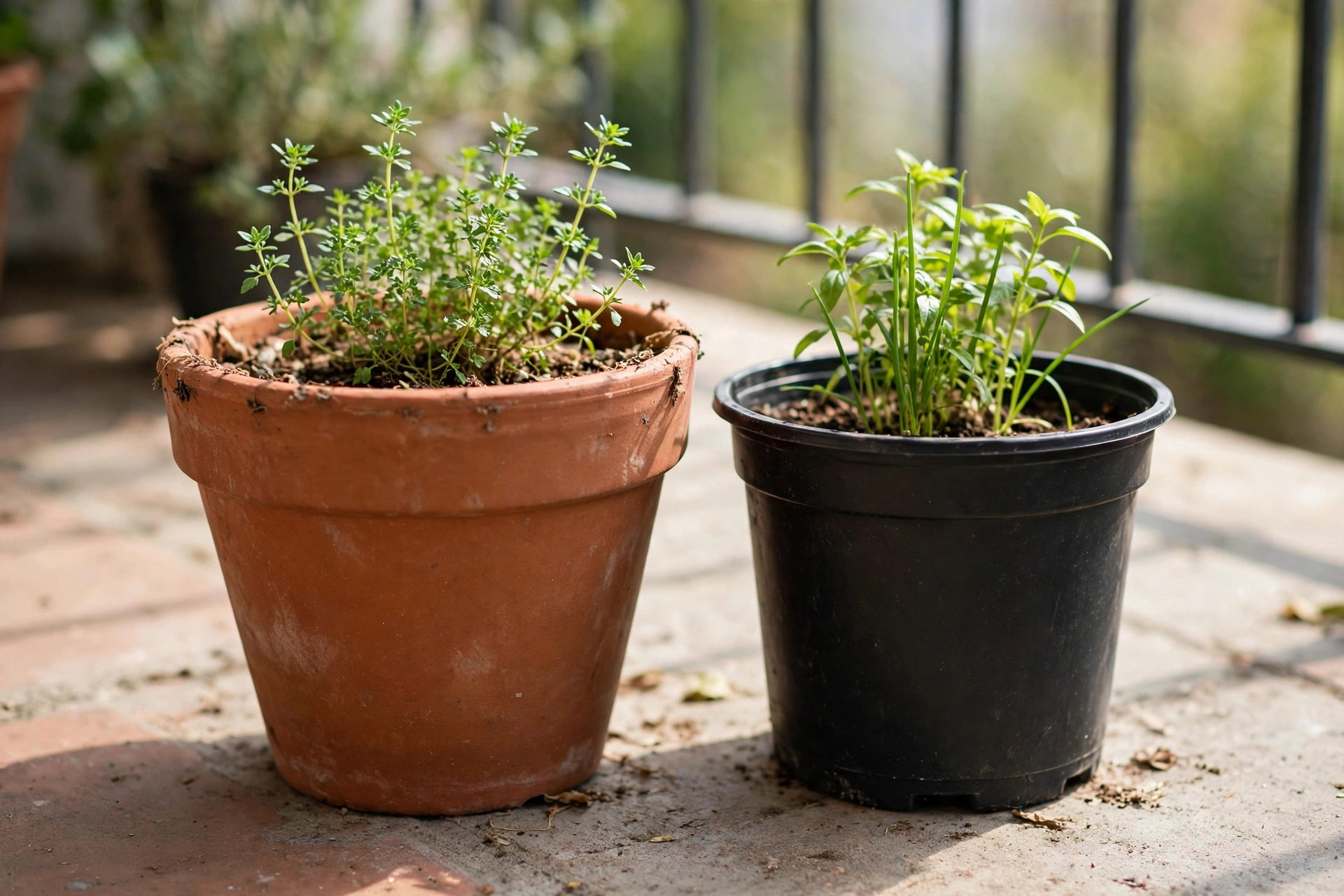
My first summer as a balcony gardener, I owned two kinds of pots: the pretty orange clay ones that made my railing look like a Mediterranean postcard, and the cheap black plastic ones my seedlings had arrived in. I treated them identically — same watering day, same bag of compost — and by August one basil plant was bushy and glorious while the other had quietly given up on life. The only difference between them was the pot. That was my first real lesson in the terracotta vs plastic pots question, and honestly, nobody had warned me that the container matters almost as much as the plant inside it.
Five years on, my balcony holds a jumble of both. This is the honest comparison I wish someone had handed me on day one: how each material actually behaves, and the mixed setup I’d recommend to any beginner.
Quick Tips:
- Terracotta breathes and dries soil fast — brilliant if you overwater, risky in a heatwave.
- Plastic holds moisture far longer — great for thirsty plants, dangerous for succulents.
- Terracotta cracks in hard frost; plastic usually survives it. Bring clay pots under cover for winter.
- You don’t have to pick a side. A mix of both covers nearly every plant’s needs.
How I Learned the Difference the Hard Way
The summer of the two basils taught me the first rule: identical watering schedules are nonsense when the pots are different materials. I watered both every other day. The terracotta basil thrived; the plastic one sat in soil that never dried out, and its roots slowly suffocated — I only realised when the tipped-out root ball smelled faintly sour. Watering it every three days instead of two fixed it within a fortnight.
Winter taught me the second lesson. I left two large terracotta pots out through a week of nights around -8°C (18°F); the soaked clay froze, expanded, and split one pot clean in half like an eggshell while the plastic pots beside them were completely unbothered. That winter cost me about £25 in ruined pots.
The third lesson was slower. A bargain-bin plastic pot sat in full afternoon sun for two summers; by the third spring it had gone brittle and chalky, and the rim snapped off in my hand. Plastic doesn’t crack from frost, but ultraviolet light quietly destroys the cheap stuff — while the terracotta pot bought the same year, brought indoors each winter, still looks as good as the day I bought it.
Neither material is better in any absolute sense — they’re different tools for different jobs. If you’re still figuring out container basics, the guide to choosing the right pots and containers pairs well with this one.
Terracotta vs Plastic Pots: The Honest Head-to-Head
The practical differences at a glance:
| Feature | Terracotta | Plastic |
|---|---|---|
| Porosity | Breathes — water evaporates through the walls | Sealed — moisture only escapes from the soil surface |
| Watering | Needs water noticeably more often | Stays moist much longer between waterings |
| Weight | Heavy — stable in wind, hard to move | Light — easy to move, can blow over |
| Frost | Poor — absorbed water freezes and cracks the clay | Good — flexes rather than shattering |
| Sun ageing | Unaffected — weathers gracefully | Cheap plastic goes brittle in 2–3 sunny seasons |
| Cost | Moderate — roughly $3–$5 for 6-inch | Cheap — often under $1 for nursery pots |
Porosity and watering: the big one
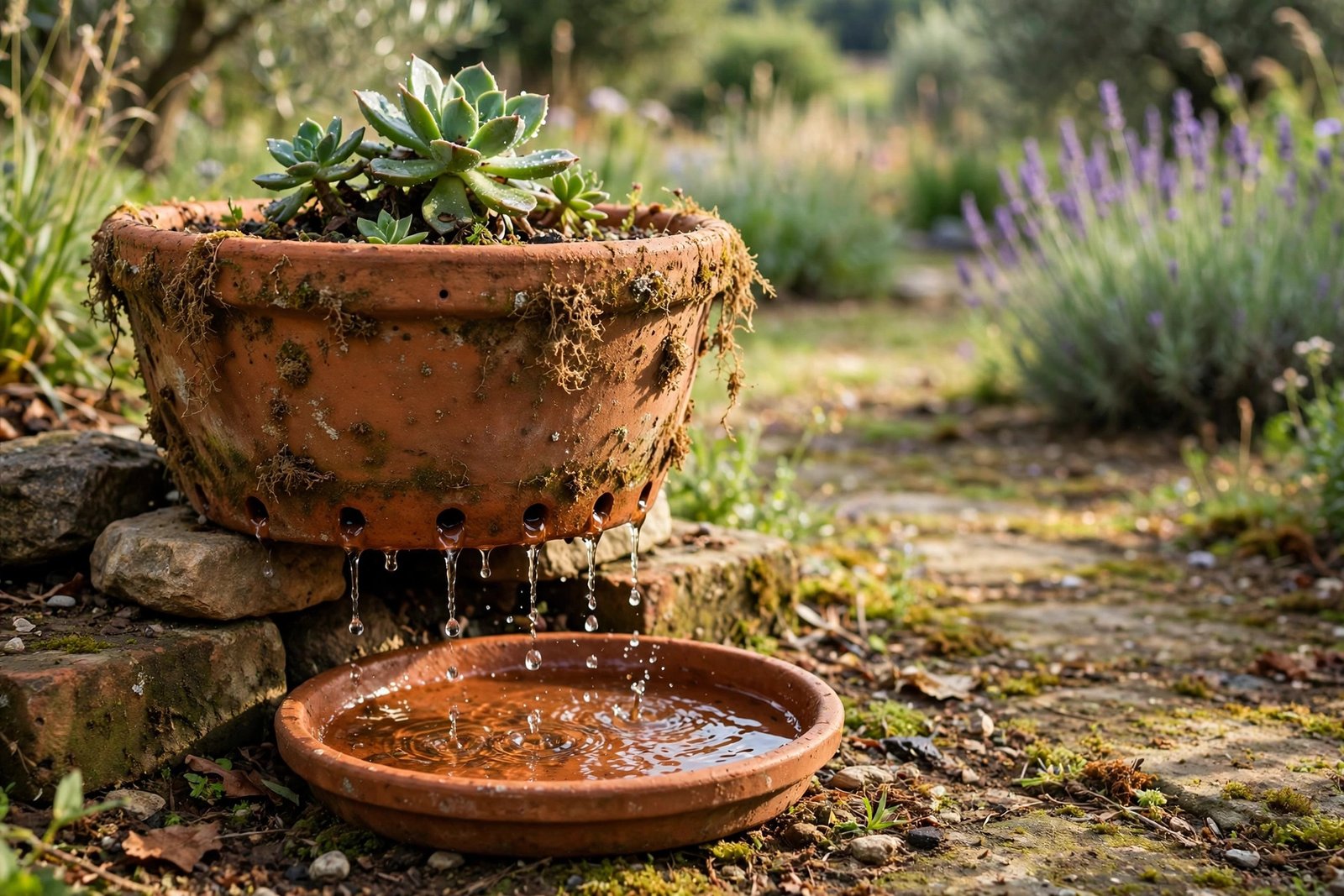
This porosity gap is the heart of the terracotta vs plastic pots watering difference. Terracotta is fired clay full of microscopic pores: water wicks through the walls and evaporates off the outside — on a hot afternoon you can feel the pot cool as moisture moves through. That breathability lets air reach the roots, and root rot hates aerated soil.
The price: a 6-inch (15 cm) terracotta pot in full July sun dries out a full day faster than the same-sized plastic pot — water every two days instead of three, daily in a real heatwave. Miss a watering and the soil shrinks from the walls, so the next watering runs straight down the gap and out the bottom. Skip town for a long August weekend and the terracotta pots are the ones that punish you for it.
Plastic is the opposite bargain: fewer panicked evening waterings, but no help against the classic beginner mistake of overwatering — a plant in plastic forgives a missed watering far more gracefully than an extra one. The finger test matters everywhere, but differently: with terracotta you’re checking “is it already too dry?”, with plastic “is it dry enough yet?”. The drainage explained guide goes deeper on how holes and saucers interact with pot material.
Weight: blessing and curse
A 10-inch terracotta pot weighs 2–3 kg empty; filled with damp compost it’s genuinely heavy. On a windy balcony that’s a feature — mine have never blown over, while I’ve chased plastic ones across the decking more than once. But a 14-inch terracotta planter with a tomato plant is essentially immovable when a storm is coming. Weight is the one category where terracotta vs plastic pots is a genuine trade-off, so my rule is simple: terracotta up to about 10 inches, plastic for anything bigger.
Durability and frost
In the terracotta vs plastic pots durability contest, frost is where clay loses: the clay drinks water, water freezes, ice expands, pot cracks — and repeated freeze-thaw around 0°C does the damage without any deep freeze. The fix is non-negotiable: bring terracotta under cover before the first hard frost, empties stored upside down. Plastic shrugs off frost entirely, making it the sensible choice for anything overwintering outside. Its own weakness is UV — cheap thin pots go brittle after a couple of sunny summers, while thicker resin lasts a decade. Squeeze the rim in the shop: if it flexes without whitening, it’s decent.
Cost and looks
On pure price, the terracotta vs plastic pots question isn’t a contest: a 6-inch plastic nursery pot costs well under a dollar, terracotta $3–$5, a big frost-proof clay planter $15–$25. But cost per year tells another story — a terracotta pot surviving twenty frost-free years beats replacing brittle plastic every three. Beginners on a budget should start with plastic (the best budget-friendly planters roundup has the good cheap options) and upgrade favourites over time.
On looks, terracotta wins and it isn’t close. One quirk: white crusty salt marks often bloom outside as minerals wick through — harmless; scrub them off with a stiff brush and vinegar-water wipe, or leave them, since plenty of gardeners think the aged look is the whole point. Plastic is functional: black nursery pots are ugly but honest, and nicer resin planters look smart on day one before fading. My constant trick: slip an ugly plastic pot inside a decorative hole-less outer pot (a cache pot) — plastic’s moisture retention with whatever look you want; just tip out excess water afterwards.
Which Plants Suit Which Pot
This is where the terracotta vs plastic pots debate gets practical. Match the pot to the plant’s drinking habits and you’ll halve your watering headaches.
Happiest in terracotta
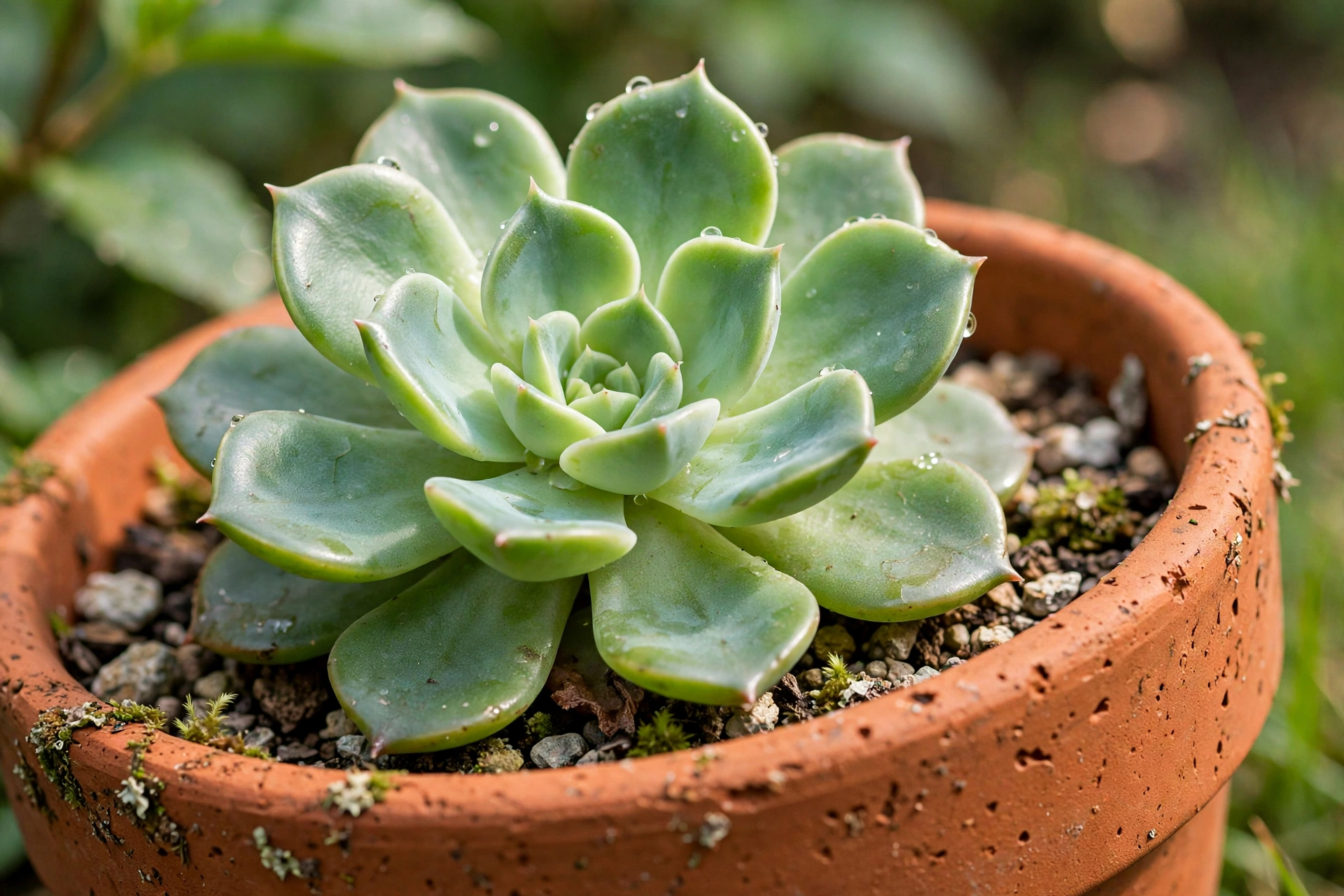
Plants that hate wet feet belong in clay. Succulents and cacti are the obvious candidates — in plastic, soil stays damp just long enough for rot, while terracotta pulls excess moisture from the roots. My echeverias live exclusively in terracotta after I lost two rosettes to mushy stems in plastic one damp autumn. Mediterranean herbs are the other winners: rosemary, thyme, sage, and oregano evolved in dry, rocky soil and prefer the fast-drying, airy conditions clay creates. My four-year-old rosemary has been in the same terracotta pot since year one and never complained.
One more: if you’re a chronic overwaterer — watering from love and anxiety rather than need — terracotta is your safety net, drying the soil between visits. Be honest about which kind of waterer you are; it should influence every pot you buy.
Better off in plastic
Thirsty plants belong in plastic. Basil drinks like it’s training for a marathon — in terracotta it can wilt by 4pm on a hot day, while the same plant in plastic stays perky. Mint, parsley, and coriander are similarly thirsty. Salad greens and fruiting vegetables — tomatoes, peppers, cucumbers — need consistently moist soil that large, liftable plastic pots provide. Ferns and anything tagged “likes moist soil” go straight into plastic.
Seedlings are another good plastic case. A tiny seedling in a big terracotta pot dries at the edges before shallow roots can reach the moisture, while plastic keeps the root zone evenly damp. I start almost everything in reused plastic nursery pots and only move plants into terracotta once established.
My Mixed Setup: What I’d Actually Buy
After five years of experimenting, here’s the honest recommendation I give friends starting out: don’t pick a side in the terracotta vs plastic pots debate. Run a mixed setup, because no single material suits every plant on a balcony.
On my balcony right now: succulents, rosemary, thyme, and sage in terracotta (six pots, tucked under the overhang each November); basil, mint, parsley, cherry tomatoes, and salad greens in plastic (eight pots, including two big 14-inch ones I can actually lift). Seedlings start in reused nursery pots, and the decorative pots guests compliment are mostly cache pots with plastic liners inside.
Starting from zero, I’d buy five 6-inch plastic nursery pots for herbs and veg (cheap, light, forgiving), three 6-inch terracotta pots for a succulent and Mediterranean herbs (beautiful, rot-proofing), and saucers for all — well under $25. Then spend one season paying attention — which pots dry first, which plants sulk — and let experience decide what to buy next. That’s how I built my setup: one observant season at a time.
Troubleshooting and Frequently Asked Questions
A few questions I get asked whenever the terracotta vs plastic pots topic comes up:
Will terracotta dry my plants out too fast?
It can, with small pots under 6 inches in full sun, and in heatwaves. Move pots into afternoon shade during extreme heat, mulch the surface with a centimetre of bark or gravel, or group terracotta pots so they shade each other’s walls. In a heatwave, daily watering is normal, not a crisis.
How do I stop terracotta cracking in winter?
Bring pots somewhere sheltered before the first hard frost — against a house wall under an overhang counts. Empty unused pots and store them upside down. If a pot must stay out, raise it on pot feet so water drains freely instead of freezing in the saucer, and wrap precious ones in bubble wrap. Hairline cracks aren’t always fatal.
Is plastic bad for my plants?
For the plants, no — plastic is inert and nurseries use it by the million. Environmentally, cheap plastic pots are effectively disposable, so buy decent-quality plastic once and reuse it for years, reuse every nursery pot a plant arrives in, and recycle broken ones (many garden centres run pot recycling schemes). A plastic pot reused for a decade is hardly a crime.
Do plastic pots need drainage holes too?
Absolutely — more than terracotta, since the walls don’t breathe at all. Every plastic pot needs bottom holes and a saucer. No holes? Drill them with a regular bit (plastic drills easily) or use it as a cache pot with a holed nursery pot inside.
The Short Version
Terracotta dries fast, breathes, looks beautiful, and cracks in frost. Plastic holds moisture, weighs nothing, survives winter, and goes brittle in the sun. Succulents and Mediterranean herbs go in clay; thirsty herbs and veg go in plastic; overwaterers lean terracotta, underwaterers lean plastic.
The terracotta vs plastic pots debate doesn’t have a winner, and that’s the whole point. The healthiest balconies I know all run a mix — owners just match the pot to the plant instead of buying one kind for everything. Start with a few of each, watch them through one season, and you’ll develop an instinct faster than you’d think. Your plants will tell you the rest.