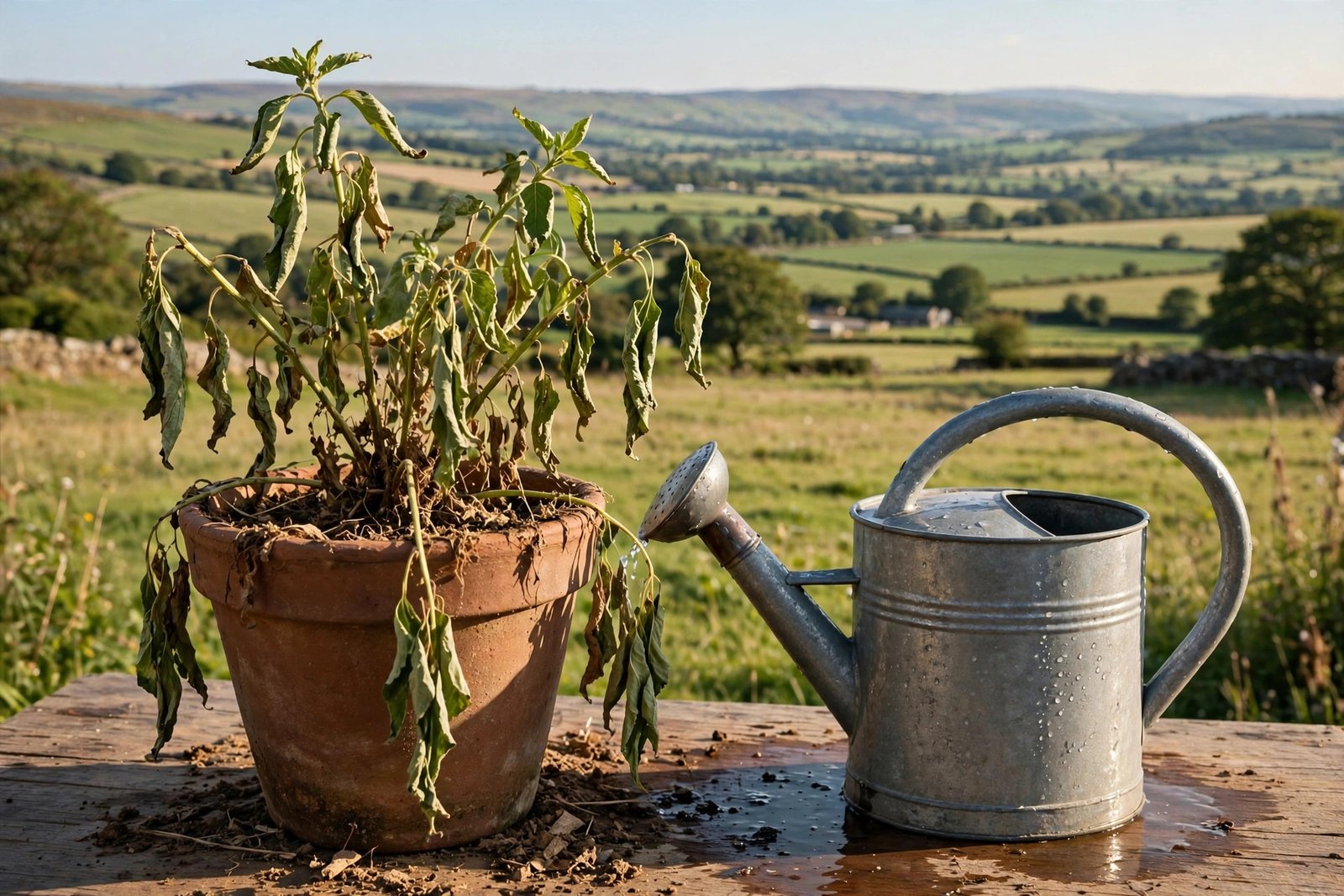
Consider the classic beginner disaster: the Great Basil Drowning. Two beautiful basil seedlings, potted up with great ceremony, then watered every single morning — because that’s what you do with plants, right? You water them. Daily. Religiously. Within two weeks the stems had gone black and mushy at the base, the leaves drooped no matter what, and both plants collapsed into a sad green puddle. Loved to death. Literally.
That was just the first of many balcony gardening mistakes. Most beginners commit nearly every error on this list in their first two seasons, sometimes twice — and each dead plant teaches something that later seems obvious. The good news: beginner mistakes are almost all fixable, and most are preventable once someone tells you what to look for. Consider this the telling.
Mistake 1: Watering on a Schedule Instead of Checking the Soil
This is the number-one plant killer. “Water every day” sounds responsible. In reality, a plant in a big pot during a cool cloudy week might need water twice in seven days, while the same plant in a heatwave needs it twice daily. Schedules ignore weather, pot size, and plant type — the three things that actually determine thirst.
The fix: the finger test. Push your finger into the soil up to the second knuckle. Dry? Water deeply until it runs out of the drainage holes. Damp? Walk away. Do this every time before you water and you’ll prevent 90% of watering problems. If you want the full picture — including how to tell overwatering from underwatering, because they look confusingly similar — read the guide to overwatering vs underwatering.
Mistake 2: Using Pots Without Drainage Holes
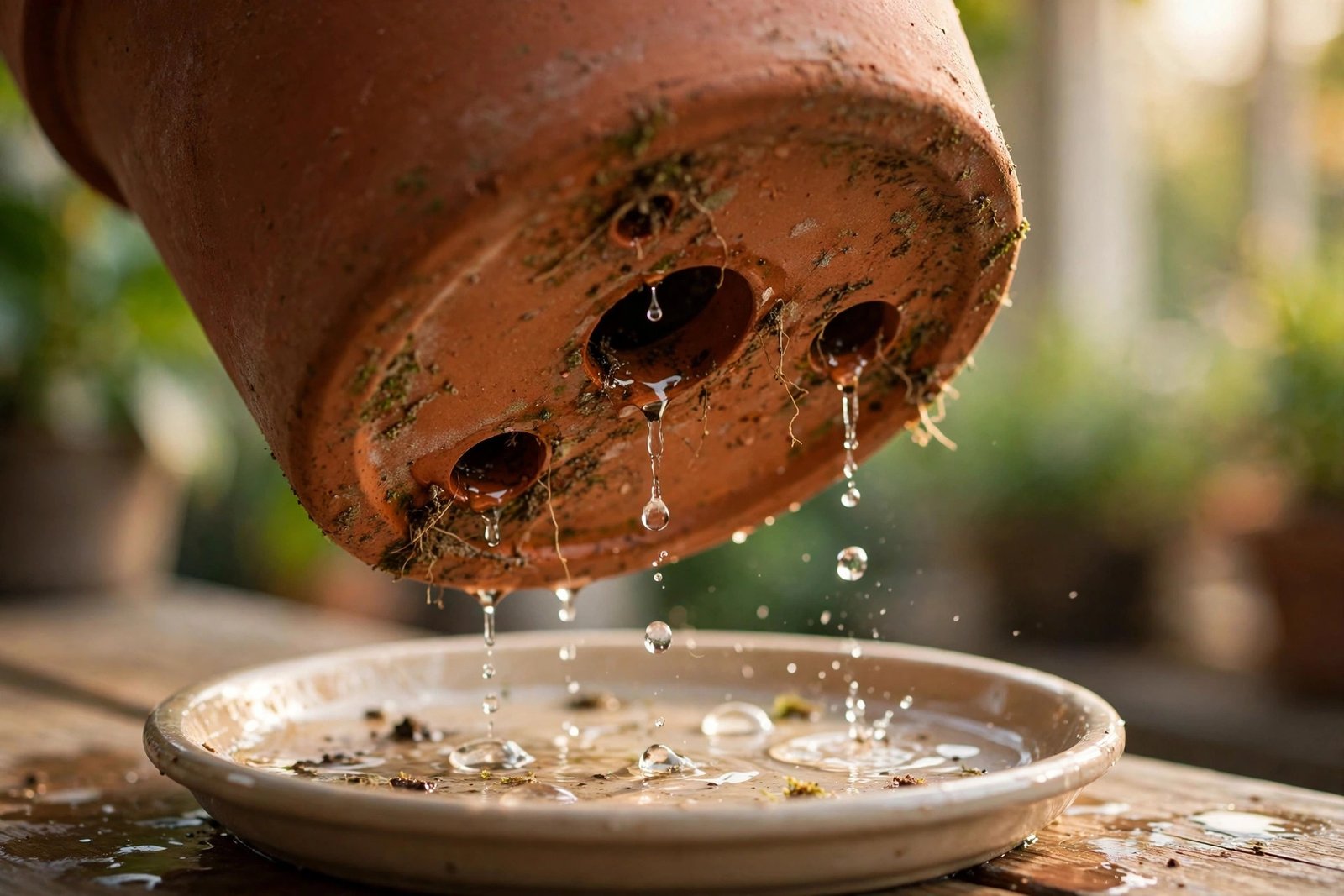
Those gorgeous ceramic pots at the homeware shop? Half of them have no holes in the bottom, and they’re responsible for more dead plants than any pest or disease. Without drainage, water pools at the bottom of the pot, roots sit in stagnant water, and root rot sets in — usually looking exactly like underwatering (drooping, yellowing), which tricks beginners into watering more. A vicious cycle.
The fix: every pot gets drainage holes, no exceptions. Drill them yourself with a masonry bit (start slow, keep the bit wet), or use the pretty pot as an outer cache pot with a plastic nursery pot inside. And always use saucers — they protect your balcony floor and your downstairs neighbours. The drainage explained guide covers holes, saucers, and the great “stones at the bottom” myth.
Mistake 3: Choosing Pots That Are Too Small
Beginners buy adorable 4-inch (10 cm) pots and wonder why everything dies by August. Small pots dry out in hours on a hot day, overheat in sun, and give roots nowhere to go — the plant spends all its energy just surviving. Cherry tomatoes in a 6-inch pot typically yield a handful of fruit — three tomatoes is a classic result. The same variety in a 12-inch (30 cm) pot can produce hundreds.
The fix: size up. Herbs want 6–8 inches (15–20 cm), cherry tomatoes need 12 inches (30 cm) minimum, and salad greens do best in wide troughs. When in doubt, go bigger — the only downside of an oversized pot is using a bit more compost. The pot-choosing guide has the full size chart by plant.
Quick Tips:
- If a plant is struggling and you don’t know why, check drainage and pot size first — they cause most “mystery” deaths.
- Yellow leaves + wet soil = overwatering. Yellow leaves + dry soil = underwatering. The soil tells the truth.
- Never “rescue” a dying plant by watering it more. Check the roots first.
- One change at a time: if you move, repot, feed, and prune a sick plant all at once, you’ll never know what worked.
Mistake 4: Planting Sun-Lovers in Shade (or Vice Versa)
A north-east balcony getting about two hours of direct sun, planted with basil and tomatoes because they’re nice to eat, produces leggy, pale, unproductive plants that the gardener blames themselves for. The plants were fine — they were just in the wrong postcode, horticulturally speaking. This is probably the most common mismatch in balcony gardening, because “bright” feels like “sunny” to human eyes.
The fix: measure your actual direct-sun hours before choosing plants (one day of checking every two hours is enough), then pick plants that match. Shade balconies grow wonderful mint, lettuce, spinach, and chives. Sunny balconies grow tomatoes and basil. Work with your light and everything gets easier — the sunlight guide walks through the whole process.
Mistake 5: Filling Pots with Garden Soil
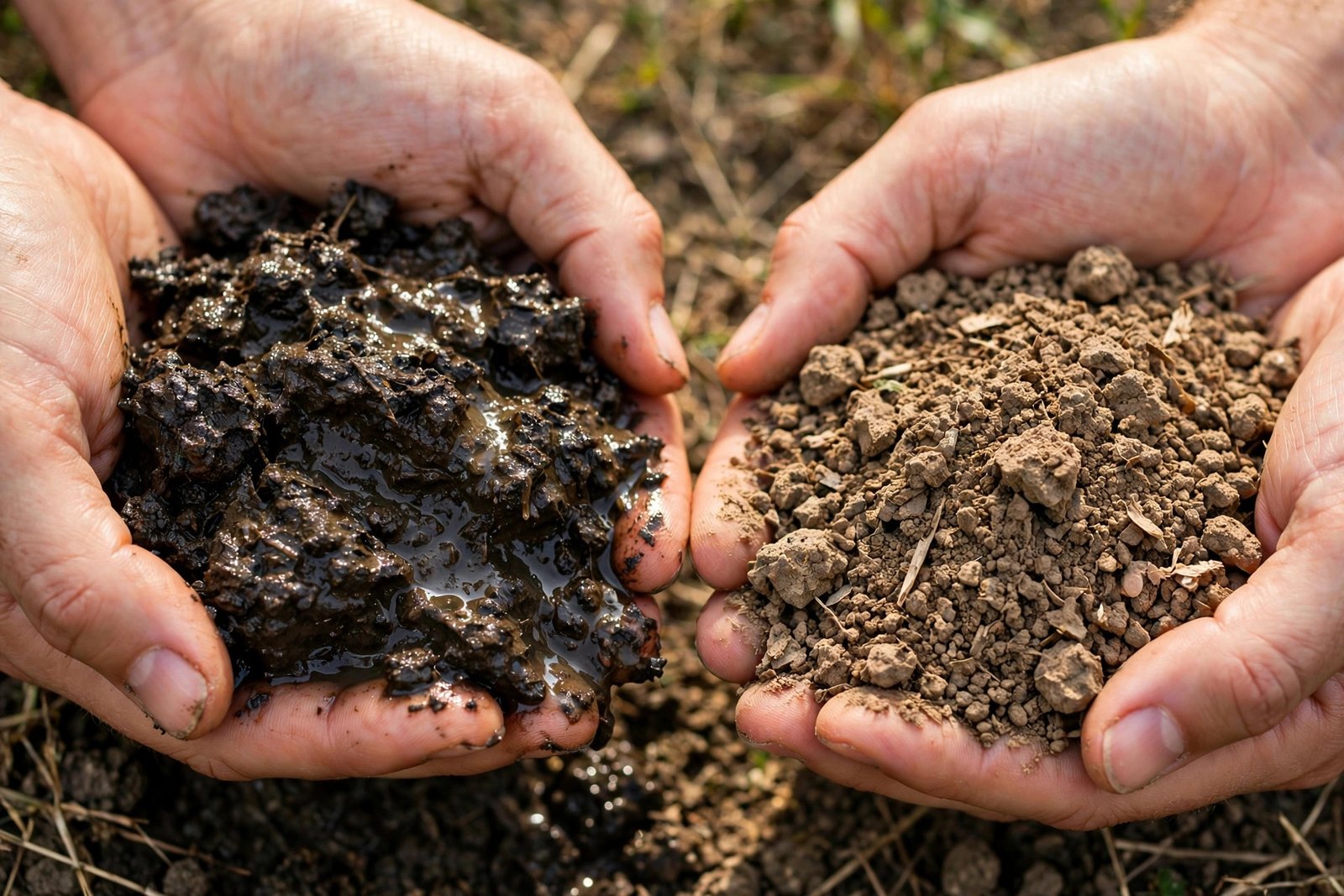
Garden soil seems like the obvious frugal choice — it’s soil, it’s free, what’s the problem? The problem is that garden soil compacts in pots into a dense, airless brick. Roots can’t breathe, water can’t drain, and the whole thing either waterlogs or sets like concrete. A trough of lettuce in garden soil will sit there, stunted and yellow, for six weeks before the cause becomes clear.
The fix: use proper potting compost, which is light, fluffy, and designed for containers. A mid-range bag from the garden centre is fine — you don’t need the premium stuff. Once you’re hooked, mix your own for better results at lower cost. Never reuse old potting compost without refreshing it, either — it’s exhausted and possibly harbouring disease.
Mistake 6: Planting Out Too Early
There’s a special heartbreak in watching seedlings you nurtured for weeks turn black overnight in a late frost. Garden centres sell tender plants like tomatoes and basil from March, which feels like permission — but in most of the UK and northern US, the last frost can hit well into May. An entire tray of tomato seedlings can be lost to a single cold April night, just because “it felt like spring.”
The fix: know your last frost date (a quick search for your postcode or zip code finds it) and don’t plant tender things out until after it. Harden seedlings off first — a week of gradually increasing outdoor time toughens them up enormously. And keep some horticultural fleece handy; throwing it over pots on a cold night takes thirty seconds and saves plants. Hardy herbs like chives and mint can go out weeks earlier.
Mistake 7: Cramming Too Many Plants Together
Beginner excitement plus a small balcony equals overcrowding. Three tomato seedlings in one 10-inch pot “to save space” ends with three stunted, diseased plants competing for light, water, and nutrients — producing less combined than one plant would have alone. Crowded plants also trap humidity between their leaves, inviting fungal problems.
The fix: respect spacing. One cherry tomato per 12-inch pot. Herbs one per pot. Lettuce seedlings 6 inches apart in a trough. It looks sparse at planting time and that’s fine — plants grow into the space astonishingly fast. If your balcony is tiny, grow vertically instead: railing planters and vertical gardening ideas double your space without crowding.
Mistake 8: Never Feeding (or Wildly Overfeeding)
Potting compost feeds plants for about 4–6 weeks. After that, every watering leaches nutrients out of the drainage holes, and unfed container plants slowly starve — pale leaves, weak growth, disappointing harvests. That’s mistake 8a — a whole season of wondering why second-year plants look so tired. Mistake 8b is the rebound: discovering feed and using triple the dose, which burns roots and produces soft leggy growth.
The fix: start feeding 6 weeks after potting with a liquid tomato feed at the dilution on the bottle, every 1–2 weeks through the growing season. That’s it. If you prefer the natural route, the natural fertilizers guide covers compost tea, seaweed, and worm castings.
Frequently Asked Questions
I think I’ve already made one of these mistakes. Can my plant be saved?
Often, yes. Overwatered plants recover if you let the soil dry out and improve drainage. Leggy seedlings can be moved to brighter spots. Starved plants bounce back within weeks of proper feeding. The genuinely hard ones to reverse are advanced root rot (mushy black roots, foul smell) and severe frost damage — but even then, it’s worth trying. Plants are tougher than beginners think.
How do I know if I’m overwatering or underwatering?
Check the soil, not the leaves — both cause wilting and yellowing, which is why beginners get confused. Push your finger in: wet soil + unhappy plant = overwatering (let it dry, check drainage). Dry soil + unhappy plant = underwatering (water deeply). There’s a whole guide on overwatering vs underwatering because this question comes up constantly.
Is it normal to kill plants as a beginner?
Completely normal. Most beginners kill basil, succulents, a rosemary, countless seedlings — and occasionally one very expensive olive tree — in their first two years. Every experienced gardener has a compost bin full of failures behind them — the difference is they kept going and paid attention to what went wrong. A dead plant isn’t a verdict on you; it’s tuition.
Should I replace dead plants or try to revive them?
Depends on the season and the plant. A struggling tomato in June is worth nursing back — it has months to recover. A half-dead basil in September isn’t; compost it and plan better for next year. A good rule: if more than half the plant is dead or the roots smell bad, replace it and treat the failure as data.
What’s the single biggest mistake to avoid?
Watering without checking the soil first. It causes more deaths than everything else on this list combined, and the fix takes five seconds. Finger in the soil, every time. If you take one habit from this entire blog, make it that one.
Be Kind to Yourself: Balcony Gardening Mistakes Are Just Tuition
Here’s what I want you to take from this list: every gardener you admire has killed plants. The ones with lush balconies aren’t geniuses — they’re just people who made these mistakes a few years before you did and kept going. Drowned basil, baked tomatoes, starved lettuce, frozen seedlings — and eventually, a balcony producing salad from May to October.
So when (not if) one of these balcony gardening mistakes costs you a plant, don’t hear it as failure. Ask what happened, fix one thing, and plant again. That’s the whole secret. The gardeners with the best balconies are simply the ones who refused to quit after the Great Basil Drowning.